
Three Ways to Start Your Craft Chocolate Production (and Succeed)
“How do I start a craft chocolate business without screwing it up?” It’s a question that haunts many aspiring chocolatiers and small-scale chocolate makers. The good news? You don’t need a full-blown factory to make it happen. Thanks to today’s compact, user-friendly equipment (think small, tabletop chocolate factories), you can transform even a modest kitchen or workshop into a chocolate production haven.
In this guide, we’ll explore three proven methods for producing craft chocolate. Whether you’re interested in using pre-made couverture, working with cocoa liquor, or diving into the full bean-to-bar process, each approach has its unique advantages and challenges. But here’s the thing: no matter which route you take, modern equipment like KADZAMA’s artisanal chocolate machines will make it easier than ever to start your journey.
1. Using Ready-Made Chocolate (Couverture)
Starting with ready-made couverture is like skipping straight to dessert. Instead of making chocolate fr om scratch, you purchase high-quality chocolate fr om established brands like Callebaut or Valrhona. Your role is simple: melt, temper, and mold it into your own creations. This method is ideal for beginners, especially if you want to experiment with truffles, bonbons, or pastries.
What’s involved? Not much. You can start with basic kitchen equipment like a microwave or double boiler, molds, and spatulas. For a quick and affordable start, you can invest in a chocolate melter, a wheeled mixer, an incubator, and a vibrating table – these tools will help you get professional results without breaking the bank. If you want to level up later, you can opt for an automatic tempering machine, but this comes with a higher investment.
Advantages:
-
Quick Start: No need to worry about roasting beans or grinding cocoa liquor; just melt and mold. This makes it perfect for those testing the waters or adding chocolates to an existing café or bakery line.
-
Low Investment: With minimal equipment, you can keep your startup costs low. You’re paying for the chocolate’s quality upfront, but you’re saving on time and complexity.
-
Consistency: High-quality couverture comes pre-tested, so you get predictable, reliable results every time.
Disadvantages:
-
Higher Ingredient Cost: Ready-made chocolate is more expensive than raw materials, which means higher costs per kilogram, especially if you’re scaling up.
-
Limited Control: You’re working with someone else’s recipe, which can lim it your ability to experiment or adjust flavors.
-
Not Fully Yours: If you're aiming for a completely unique product, this may not be the best choice. While many consumers won’t mind, some might prefer to know that your chocolate is made from scratch.
When to Choose This Method: If you’re a beginner or just want to dip your toes into chocolate making with minimal fuss, this is the easiest way to go. It allows you to focus on perfecting your craft without the complications of bean processing. Once you get comfortable, you can always explore other methods.
2. Making Chocolate from Cocoa Liquor (Semi-Bean-to-Bar)
Ready for a bit more control and cost savings? Making chocolate from cocoa liquor is the next step up. In this method, you purchase cocoa liquor (the base cocoa mass) and refine it into chocolate by adding sugar, cocoa butter, and any other ingredients you wish.
What’s involved? You’ll need a melanger, a stone grinder that refines the cocoa liquor and turns it into smooth, finished chocolate. Small batch melangers are perfect for craft businesses, offering a compact, tabletop solution for grinding and conching.
Advantages:
-
Lower Production Costs: By buying cocoa liquor instead of couverture, you can reduce ingredient costs and still produce high-quality chocolate.
-
Creative Freedom: You can adjust the flavor profile of your chocolate by varying sugar, milk powder, or other ingredients to create something unique.
-
Artisanal Credibility: Making chocolate from cocoa liquor (even if not from beans) adds authenticity to your brand. It allows you to tell a compelling story about the chocolate you create.
Disadvantages:
-
Specialized Equipment: A melanger is essential, and other tools like tempering machines or heating sources add to your initial investment.
-
Longer Production Time: The process from cocoa liquor to finished chocolate can take several days, especially if you're refining small batches.
-
Learning Curve: You’ll need to learn how to handle the melanger and temper chocolate properly, which adds a bit of complexity.
When to Choose This Method: If you’re ready to take your chocolate-making to the next level and gain more creative control, this is a great choice. It’s ideal for small to medium-sized businesses looking to expand beyond basic couverture-based products while still keeping the process manageable.
3. Bean-to-Bar Chocolate Production (Starting from Cocoa Beans)
Now we’re talking about the full Monty: bean-to-bar chocolate production. This is wh ere the magic happens from start to finish. You source raw cocoa beans, roast them, crack them into nibs, grind them into cocoa liquor, refine with sugar, and temper the chocolate into its final form. This method gives you total control over every step of the process, from the selection of beans to the final flavor profile.
What’s involved? Bean-to-bar requires a full suite of equipment, including:
-
Roaster: A specialized cocoa bean roaster (such as KADZAMA’s compact unit) to roast the beans to perfection.
-
Crusher and Winnower: To remove the shells and access the cocoa nibs. You can use KADZAMA’s Crusher and Winnower.
-
Melanger: To grind and refine the cocoa liquor with sugar and other ingredients. Check out KADZAMA’s 7 kg Melanger.
-
Tempering Machine: To give the chocolate its smooth, glossy finish. You can find KADZAMA’s tempering machines here.
Alternatively, for a more budget-friendly option, you can start with a tabletop chocolate factory setup (such as a melter, wheeled mixer, incubator, and vibrating table). While an automatic tempering machine offers higher efficiency, a smaller setup provides a great starting point at a lower cost.
Advantages:
-
Total Control: You get to dictate every aspect of the chocolate-making process, including roast profiles, grind times, and ingredient combinations.
-
Unique Flavor Profiles: Bean-to-bar allows you to create truly distinctive products with flavors that highlight the unique characteristics of the beans you use.
-
Premium Brand Image: Bean-to-bar chocolate is seen as the pinnacle of artisanal chocolate making. It’s a high-value, premium product that can command a higher price point.
Disadvantages:
-
High Startup Costs: The equipment required is more expensive than the previous methods, and the production process is more labor-intensive.
-
Time-Consuming: Each batch takes longer to make, especially when you’re roasting and refining the beans.
-
Requires Skill: Every step requires knowledge and precision, from roasting to tempering. Mistakes along the way can result in a subpar product.
When to Choose This Method: If you have a passion for chocolate and a desire to control every aspect of the process, bean-to-bar is the ultimate choice. It’s perfect for those who want to create a brand around their craft and are willing to invest time, money, and expertise.
The Tabletop Chocolate Factory: Empowering Small Producers
One of the most exciting aspects of these three methods is the rise of the “tabletop chocolate factory.” Thanks to modern, compact equipment, you no longer need a massive industrial space to make high-quality chocolate. Whether you’re using couverture, cocoa liquor, or going full bean-to-bar, all of these methods can be executed with tabletop machines.
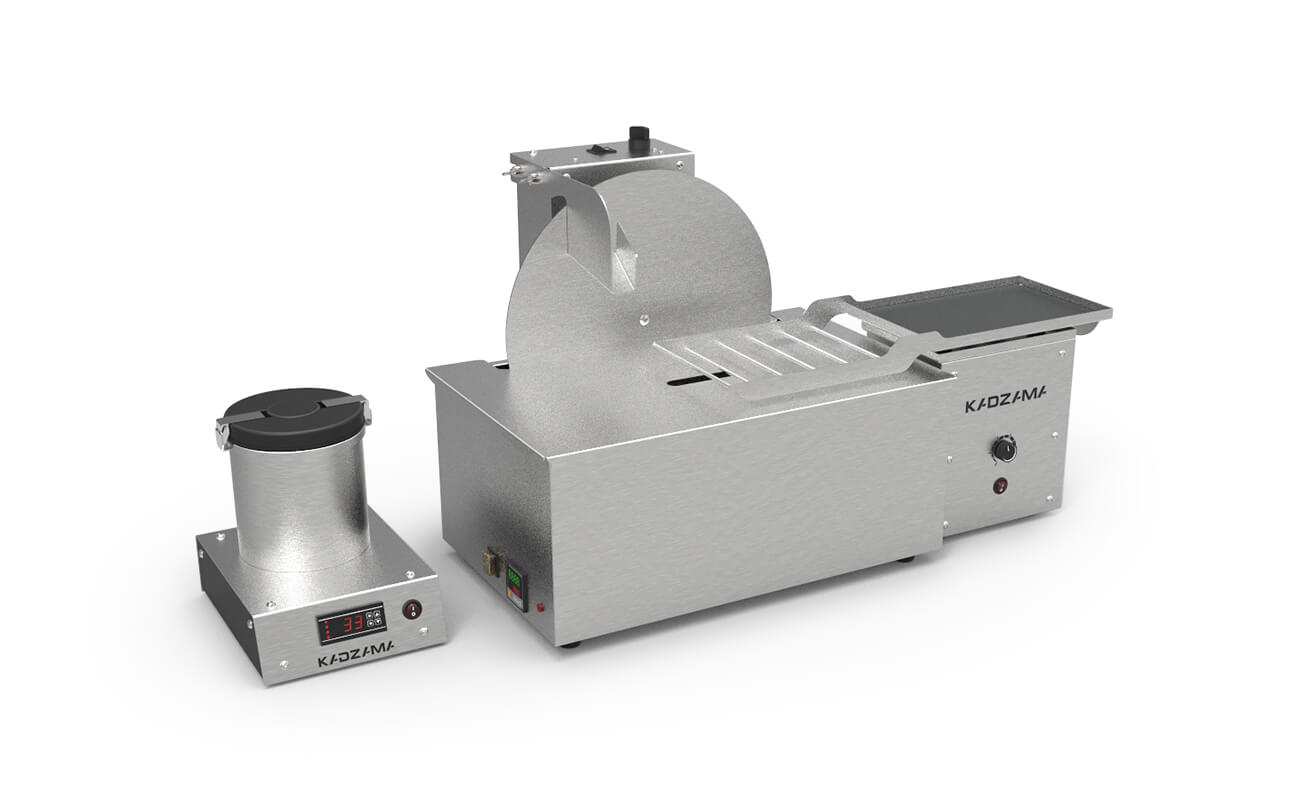
KADZAMA, for example, offers a range of small but powerful machines that enable you to produce craft chocolate on a small scale, right from your countertop. Inside your mini chocolate factory setup, you’ll have:
-
Melter: A machine to gently melt your chocolate, ensuring it’s the perfect consistency for processing.
-
Wheeled Mixer: To blend your melted chocolate evenly and efficiently, especially when adding other ingredients like sugar or milk powder.
-
Incubator: To help control the chocolate’s temperature and ensure smooth, even crystallization during the tempering process.
-
Vibrating Table: Used for molding the chocolate, it helps eliminate air bubbles, ensuring that your chocolate bars or truffles have a smooth, professional finish.
This setup gives small businesses and aspiring chocolatiers the tools they need to create high-quality chocolate without the overhead of large-scale equipment. It’s a fantastic option for starting small and scaling up as needed.
Conclusion: Choose Your Path (or Combine Them!)
In the end, the best approach depends on your goals, budget, and how much control you want over your chocolate. Whether you start with ready-made couverture, move on to cocoa liquor, or dive into the full bean-to-bar process, there’s a path for every chocolatier.
And remember, you don’t have to choose just one method. Many businesses start with couverture to get their feet wet and then transition to cocoa liquor or bean-to-bar as they grow. With the right equipment and a bit of creativity, you can build a brand that tells a compelling story and produces delicious, high-quality chocolate.
So, which path will you choose? Whichever you pick, your journey to becoming a successful craft chocolatier starts with taking the first step. And with modern equipment, like the tabletop chocolate factories from KADZAMA, that step has never been easier or more exciting. Happy chocolate-making!
Ask question Sending...